
Latest Blogs


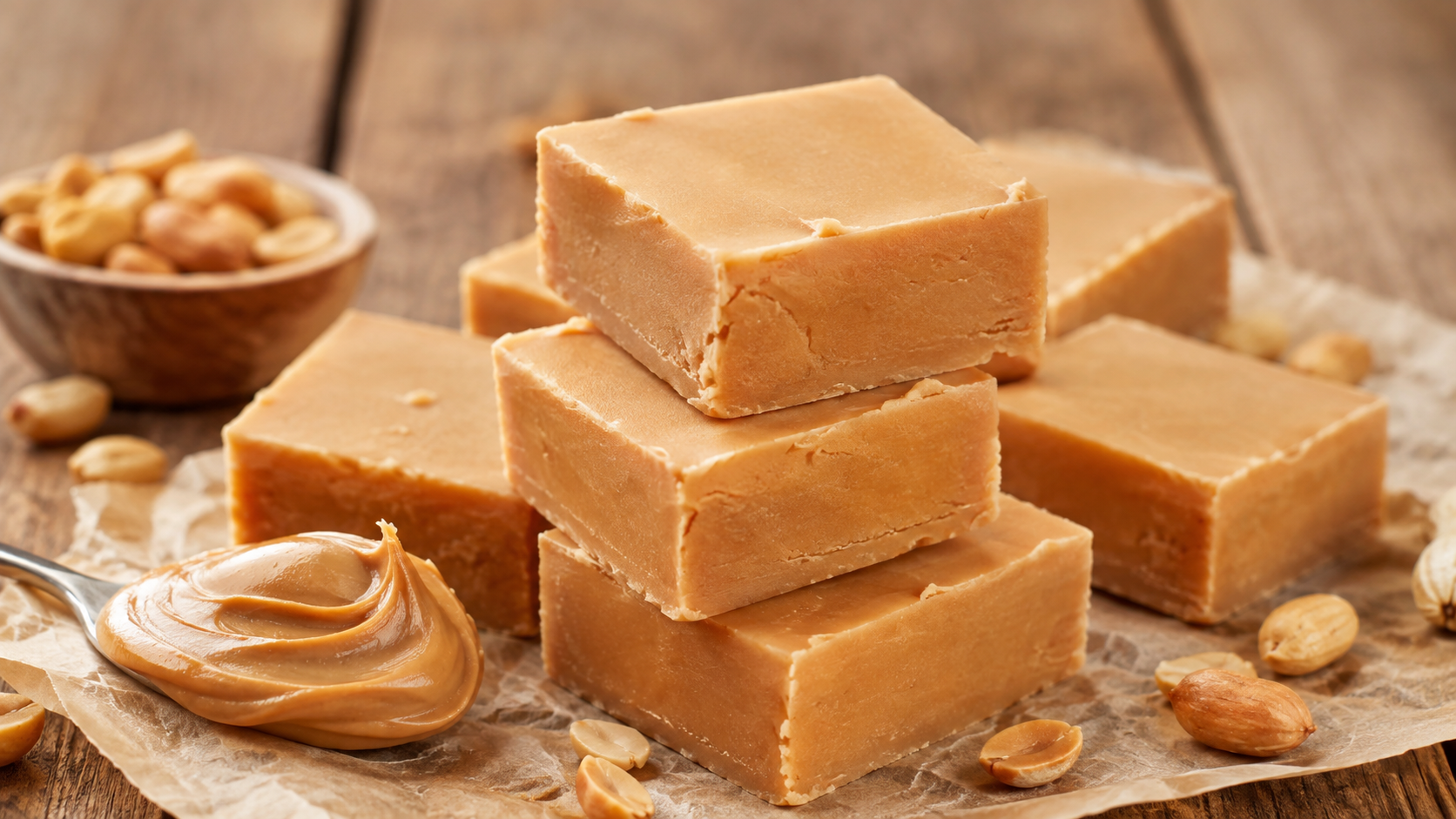
Peanut butter fudge should be rich, creamy, deeply nutty, and firm enough to cut cleanly without becoming dry or crumbly. The best versions balance sweetness with roasted peanut flavor, then use careful mixing and cooling to create a smooth bite that almost melts on the tongue. Whether you are looking for an easy peanut butter fudge recipe, trying to understand old-fashioned candy-making, or deciding which flavor to order, the details below will help you get better results.
At Arndt’s Fudgery, fudge is more than a seasonal dessert. The family business has operated in the same Newton, Illinois location since 1913, and its current selection includes plain Peanut Butter as well as peanut-butter variations such as Chocolate Peanut Butter Swirl, Peanut Butter Cup, and nut-filled options. That long confectionery history gives us a practical perspective on what separates forgettable fudge from the kind people come back for.
This guide covers a simple home-style recipe, the difference between easy and traditional methods, seven texture and flavor principles, fixes for common problems, storage and freezing, gifting ideas, and what to look for when buying peanut butter fudge online.
|
QUICK ANSWER For a creamy result, use a stable peanut butter, avoid overheating, mix thoroughly, let the fudge set undisturbed, and protect it from air and heat during storage. Traditional cooked fudge depends on sugar crystallization and precise temperature; shortcut versions use ingredients such as powdered sugar or sweetened condensed milk to make the process easier. |
What Is Peanut Butter Fudge?
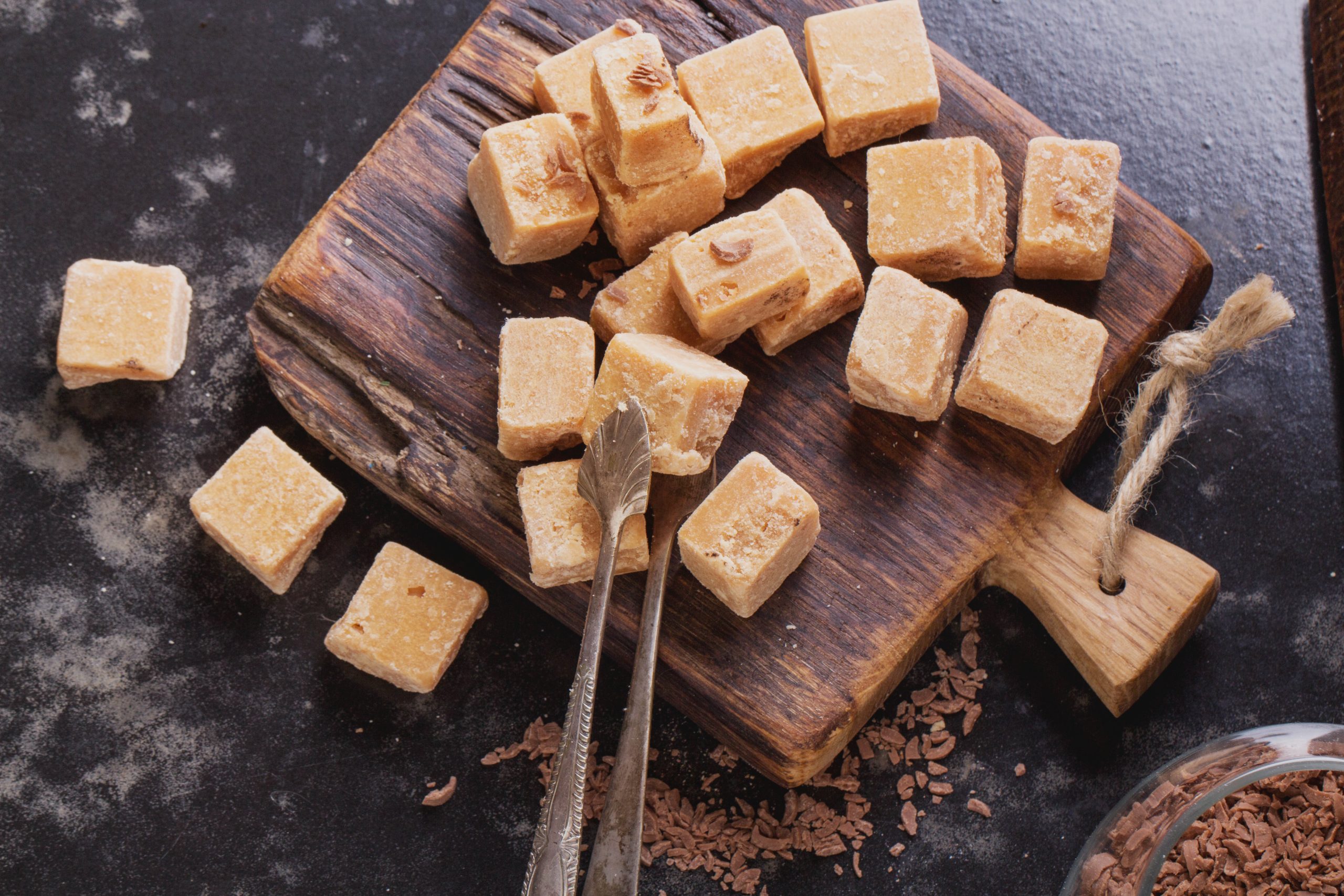
Peanut butter fudge is a dense, soft confection that combines sugar and fat with peanut flavor to create a smooth, sliceable candy. In a traditional cooked version, sugar and dairy are heated to the soft-ball stage, then cooled and beaten so the sugar forms very small crystals. Those tiny crystals are what give classic fudge its creamy texture rather than the hard snap of brittle or the chew of caramel.
An easy version uses a different route to a similar experience. Many home recipes rely on powdered sugar, sweetened condensed milk, marshmallow creme, or melted confectionery ingredients so the cook does not have to manage crystallization as precisely. That is why an easy recipe can be ready to mix in minutes while old-fashioned candy requires more attention to temperature and timing.
Flavor matters just as much as texture. Good fudge should taste unmistakably of peanuts instead of simply tasting sweet. A small amount of salt, dairy richness, and vanilla can round out the flavor, while chocolate, nuts, or candy pieces can shift the result from classic to playful.
Easy Peanut Butter Fudge Recipe: A 4-Ingredient Home Version
If your main goal is a dependable homemade peanut butter fudge that does not require a candy thermometer, this simple four-ingredient style is a good place to start. It is intentionally a home recipe and is not Arndt’s Fudgery’s production formula.
|
Yield |
About 36–64 small pieces, depending on cut size |
|
Pan |
8-inch square pan |
|
Active time |
About 10–15 minutes |
|
Set time |
About 2 hours |
|
Ingredients |
1 cup unsalted butter; 1 cup creamy peanut butter; 1 teaspoon vanilla extract; 3¾ cups powdered sugar |
Method
- Line the pan with parchment paper, leaving enough overhang to lift the fudge out later.
- Gently melt the butter and creamy peanut butter together until smooth. Use low heat on the stove or short microwave intervals, stirring between each one.
- Remove from the heat and stir in the vanilla.
- Add the powdered sugar gradually and mix until the mixture is evenly combined. It will become thick and lose some of its shine.
- Press or spread the mixture evenly into the prepared pan. Smooth the top without overworking it.
- Chill until firm, about two hours, then lift out of the pan and cut with a sharp knife.
For the easiest texture, use a conventional creamy peanut butter that stays emulsified. Natural peanut butter can work, but separated oil can make the mixture softer or greasier unless the jar is mixed extremely well. If you prefer chunky peanut butter, expect a more textured bite and slightly less clean edges when cutting.
Old-Fashioned Peanut Butter Fudge vs. Easy Shortcut Fudge
The phrase old-fashioned peanut butter fudge usually refers to a cooked-sugar method. Sugar, milk or cream, and butter are heated until the syrup reaches the soft-ball range, roughly 234°F to 240°F. The mixture is then cooled and beaten at the right time so it develops a fine crystal structure. When everything goes well, the result is smooth, creamy, and slightly more complex in flavor than many shortcut versions.
The shortcut method removes much of that candy-making risk. Instead of depending on a carefully controlled sugar syrup, the structure comes from ingredients that set more predictably. The tradeoff is that the texture may feel denser or more like a peanut-butter confection than true cooked fudge. Neither style is automatically better; they simply solve the same craving in different ways.
|
Factor |
Old-fashioned method |
Easy shortcut method |
|
Skill level |
Moderate; temperature and timing matter |
Beginner-friendly |
|
Candy thermometer |
Strongly recommended |
Usually not needed |
|
Texture |
Classic fine-crystal fudge |
Dense, smooth, predictable |
|
Active work |
More attention while cooking/cooling |
Usually 10–15 minutes |
|
Best for |
Traditional candy-making experience |
Quick holidays, gifts, cravings |
7 Secrets to Creamy Peanut Butter Fudge
1. Start with peanut butter that matches the method
For an easy peanut butter fudge recipe, a smooth, shelf-stable creamy peanut butter is usually the most forgiving because the oil and solids stay evenly blended. If you use natural peanut butter, stir it thoroughly from top to bottom before measuring. Any pool of oil that remains separated can change the firmness of the finished candy.
Chunky peanut butter is excellent when you want obvious peanut pieces, but it creates a more rustic texture. For a classic, creamy result, start smooth and add chopped roasted peanuts later if you want controlled crunch.
2. Respect temperature when making old-fashioned peanut butter fudge
Traditional fudge is candy science. If the cooked syrup does not reach the correct concentration, the finished candy may stay soft. If it is cooked too far, it can become dry, hard, or crumbly. A reliable candy thermometer removes much of the guesswork, especially when you are learning how to make peanut butter fudge with a boiled-sugar method.
Do not assume that a longer boil automatically means a better set. The goal is the correct sugar concentration, not maximum heat. Altitude, pan size, burner strength, and thermometer accuracy can all change the timing.
3. Prevent large sugar crystals
Grainy fudge happens when sugar crystallizes into particles large enough to feel on the tongue. With traditional fudge, dissolve the sugar fully before the syrup reaches a strong boil. Once boiling begins, avoid scraping dry crystals from the sides of the pan back into the mixture. Many candy makers also wipe the inside wall of the pan with a damp pastry brush to remove stray crystals.
The cooling stage matters too. Beating too soon or disturbing the syrup at the wrong time can encourage unwanted crystallization. The shortcut version is less sensitive because powdered sugar or other ingredients reduce the need to control a supersaturated syrup.
4. Watch humidity and kitchen heat
Warm, humid conditions can make candy-making less predictable because the syrup can retain or pick up more moisture. If your traditional batch repeatedly stays sticky or soft on humid days, use a climate-controlled kitchen and rely on temperature rather than visual timing alone. Once the candy is set, keep it away from direct sunlight, ovens, dishwashers, and other heat sources.
5. Let the fudge set before you judge it
Freshly mixed fudge may look softer than the final candy. Give it the full recommended cooling or chilling time before adding more sugar or deciding that the batch failed. Cutting too early can smear the edges and compress the texture.
For clean squares, lift the set slab out by the parchment, use a long sharp knife, and wipe the blade between cuts. Slightly warming the blade can help with very firm fudge, but dry it completely before cutting.
6. Balance sweetness with salt and texture
Peanut butter has a naturally roasted, savory character, which is why a little salt can make the flavor seem more peanut-forward instead of simply sweeter. Vanilla can round the edges, while a thin chocolate swirl adds bitterness and cocoa depth. Nuts, peanut butter cups, or marshmallow create contrast, but too many mix-ins can overwhelm the smooth base.
Arndt’s current fudge lineup reflects that range, with plain Peanut Butter alongside chocolate swirl, peanut butter cup, walnut, pecan, and other rotating peanut-butter styles. When you are serving several flavors, include at least one plain version so guests can taste the base candy on its own.
7. Store peanut butter fudge airtight
Air is one of the biggest enemies of fudge texture. Exposure dries the surface and can make the edges crumbly, while a warm room can soften the candy. Wrap the slab or individual pieces well and place them in an airtight container. If you stack layers, separate them with parchment or wax paper.
For a full storage chart covering room temperature, refrigerator, and freezer, see Arndt’s guide to how long fudge lasts. The short version is that most classic fudge is best within about 7–14 days at cool room temperature, can last longer when properly refrigerated, and freezes well for longer storage.
Common Peanut Butter Fudge Problems and Fixes
Even a good fudge recipe can behave differently from one kitchen to another. Use the symptoms below as a quick diagnostic guide.
|
Problem |
Likely cause |
What to do next time |
|
Grainy |
Large sugar crystals formed; sugar was not fully dissolved; mixture was disturbed at the wrong stage |
Dissolve sugar before boiling, control crystallization, and follow the cooling/beating sequence carefully. |
|
Too soft / not setting |
Traditional syrup undercooked; natural peanut butter added excess oil; too much liquid |
Verify temperature, measure precisely, use well-mixed peanut butter, and allow the full set time. |
|
Too hard or crumbly |
Syrup overcooked; too much powdered sugar; excessive moisture loss |
Stop at the target temperature or reduce added sugar in shortcut recipes. |
|
Greasy / oily |
Peanut butter separated or mixture overheated |
Use emulsified creamy peanut butter or stir natural peanut butter thoroughly; use gentler heat. |
|
Sticky surface |
Warm room, humidity, or condensation |
Store airtight in a cool place; if refrigerated or frozen, thaw while wrapped before exposing to room air. |
|
Dull peanut flavor |
Too much sugar or too many mix-ins |
Use a peanut-forward base, a balanced pinch of salt, and fewer competing flavors. |
Peanut Butter Fudge Flavors and Variations
Once the base texture is right, the candy is easy to customize. The most useful variations add contrast without burying the peanut flavor.
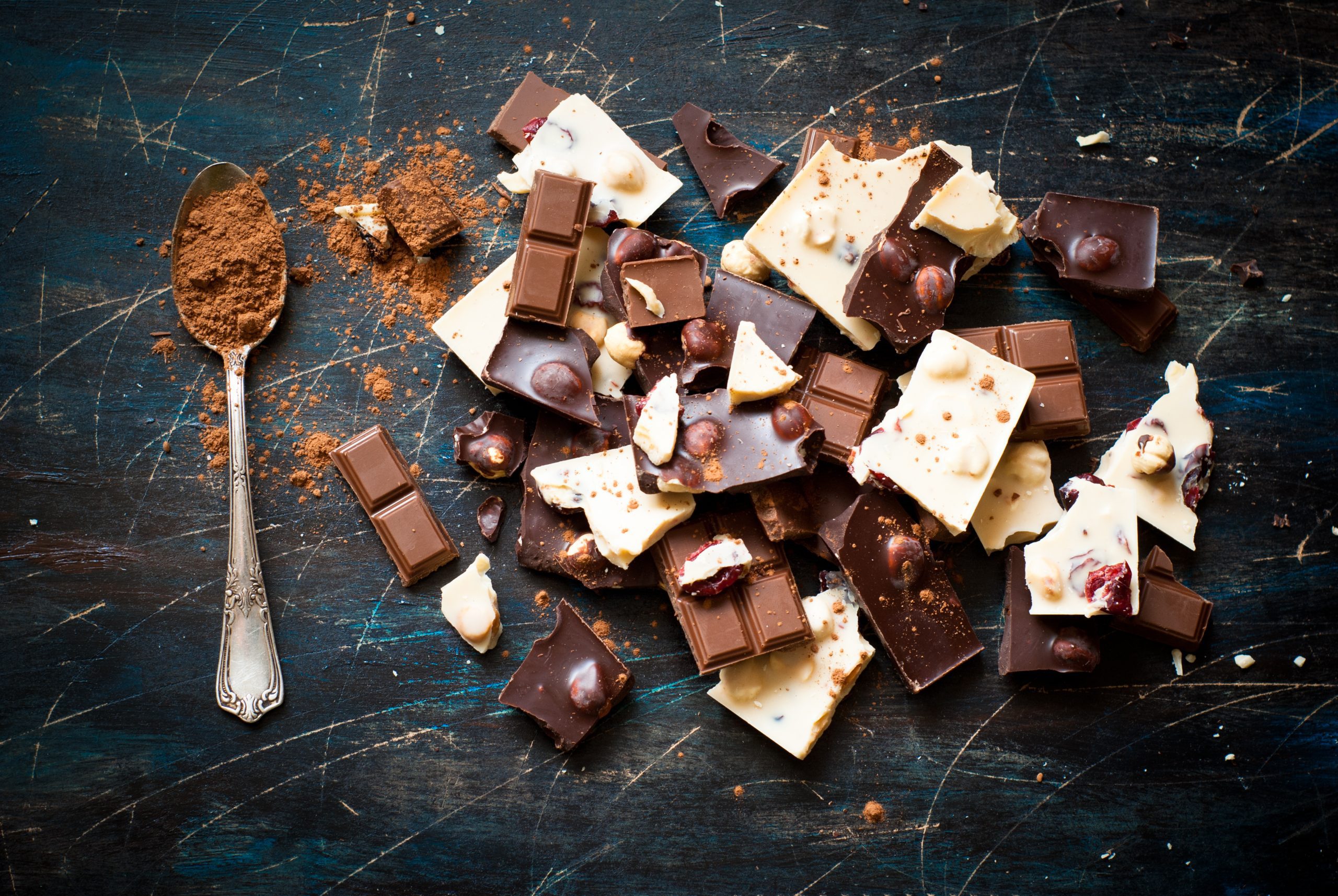
Chocolate peanut butter swirl: Add ribbons of chocolate for a familiar sweet-and-salty pairing. This is especially good on dessert trays because the swirl makes each piece visually distinct.
Peanut butter cup fudge: Fold or top with chopped peanut butter cups for extra chocolate and candy texture. Keep pieces small because the result is rich.
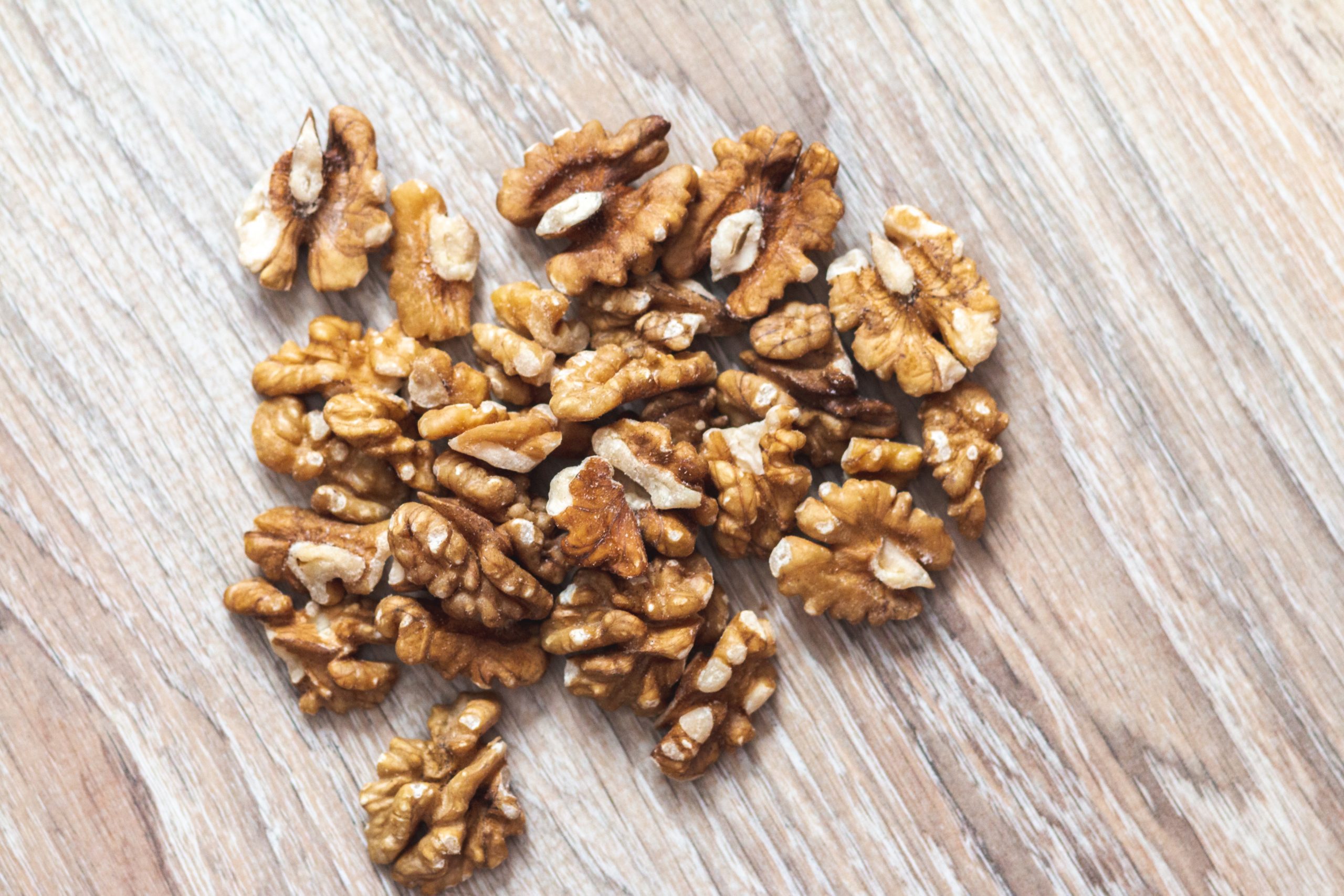
Peanut butter walnut or pecan: Nuts add crunch and toasted flavor. They also make it easy to distinguish a nut-filled assortment from plain fudge.
Peanut butter marshmallow: Marshmallow adds a lighter, chewy contrast to the dense fudge base.
Sea-salt finish: A light sprinkle of flaky salt can sharpen peanut flavor and reduce the impression of sweetness. Use a restrained amount so the top does not taste salty.
Want to compare what is currently available? Browse Arndt’s fudge flavors before ordering, because flavors can change with the season and product format.
How to Store Homemade Peanut Butter Fudge
Homemade fudge is usually at its best when it is protected from air, heat, and strong odors. For short-term storage, place completely set pieces in an airtight container in a cool, dark area. Keep parchment between layers so the pieces do not stick together.
Refrigeration can extend quality in a warm or humid home, but cold air can dry fudge if it is not wrapped well. Double protection works best: wrap the fudge or keep it in a tightly sealed container, then let chilled pieces warm slightly before serving so the texture softens.
For detailed time ranges and spoilage signs, use the complete Fudgery storage guide rather than relying on one universal number for every flavor or recipe.
Can You Freeze Peanut Butter Fudge?
Yes. Fudge freezes well when it is wrapped tightly enough to prevent freezer burn and odor pickup. Portion it before freezing so you can thaw only what you need. Wrap each block or group of pieces in plastic wrap, then place it in a freezer bag or airtight container and label it with the date.
For the best texture, thaw the fudge while it is still wrapped. Start in the refrigerator, then let it come toward room temperature before opening the package. Keeping the wrapping on during the temperature change reduces condensation on the candy itself. For best quality, aim to use frozen fudge within about three months.
Peanut Butter Fudge for Gifts, Parties, and Dessert Boards
This candy works especially well for gifting because it is rich enough to cut into small portions and sturdy enough to arrange neatly. For a holiday box, combine a classic peanut butter flavor with chocolate and one contrasting option such as maple, vanilla, or sea salt caramel. That mix gives the recipient both familiar and unexpected choices.
For parties, cut smaller one-inch pieces instead of large bakery-style squares. It is dense, so guests often prefer a bite-size portion when several desserts are available. On a dessert board, pair it with pretzels, plain cookies, apple slices, or chocolate-covered treats for different textures.
If you are gifting to someone else, verify allergies before choosing flavors. Peanuts are one of the major food allergens recognized in the United States. Arndt’s current ingredient page lists Peanut Butter Fudge as containing soy, milk, and peanuts and states that it is manufactured on equipment that also processes wheat, egg, peanuts, tree nuts, and coconut. Always check the current label and ingredient information when allergy safety matters.
For general allergen information, see the U.S. Food and Drug Administration’s food allergy guidance.
Why Buy Peanut Butter Fudge from Arndt’s Fudgery?
A home batch is fun when you want to cook. Buying professionally made peanut butter fudge makes more sense when you want consistent texture, a larger assortment, gift-ready quantities, or the convenience of having fudge delivered.
Arndt’s Fudgery is a family business that says it has operated at the same Newton, Illinois location since 1913. Its online shop offers made-to-order fudge and a broad flavor list, including several peanut butter choices. That history is important because fudge is a technique-driven candy: small differences in cooking, cooling, mixing, and storage can change the final texture.
You can shop Arndt’s fudge online, browse the current fudge flavors, or check the full ingredient and allergen list before ordering.
Frequently Asked Questions About Peanut Butter Fudge
What is the secret to good peanut butter fudge?
The secret is controlling both flavor and texture. Use well-mixed peanut butter, measure accurately, avoid overheating, and follow the correct cooling method for the recipe you chose. Traditional cooked fudge also depends on fine sugar crystallization, while shortcut recipes are more forgiving.
Why is my peanut butter fudge grainy?
Graininess is usually caused by large sugar crystals. With old-fashioned fudge, make sure the sugar dissolves before boiling, avoid introducing crystals from the side of the pan, and do not disturb the mixture at the wrong stage of cooling.
Why is my peanut butter fudge not setting?
If a traditional batch stays soft, the syrup may not have reached the correct concentration. In an easy recipe, excess oil from natural peanut butter or too much liquid can also soften the set. Give the fudge the full cooling time before changing the formula.
Can I use natural peanut butter for fudge?
Yes, but it is less predictable. Stir the jar extremely well before measuring because separated oil can make homemade fudge softer or greasier. A conventional creamy peanut butter is usually easier for beginners.
How long does peanut butter fudge last?
Most classic fudge is best within about 7–14 days at cool room temperature when wrapped and stored airtight. Refrigeration can extend quality, and freezing is useful for longer storage. Recipe ingredients and storage conditions can change the exact timeline.
Can you freeze peanut butter fudge?
Yes. Wrap portions tightly, place them in an airtight freezer container or bag, and use them within about three months for best quality. Thaw while wrapped to limit condensation.
Does peanut butter fudge need to be refrigerated?
Not always. Many classic fudges can be kept at cool room temperature for short-term storage. Refrigeration is useful in hot or humid conditions, but the fudge should be wrapped well so it does not dry out or absorb odors.
What goes well with peanut butter fudge?
Chocolate is the classic pairing, but pretzels, apples, vanilla ice cream, coffee, nuts, and lightly salted snacks all work well because they contrast with the candy’s sweetness and richness.
Where can I buy peanut butter fudge online?
Arndt’s Fudgery sells fudge online with peanut butter among its available flavor choices. Check the current product selector and flavor page for availability, sizes, and seasonal options.
Final Thoughts
This candy can be as simple or as technical as you want it to be. A four-ingredient shortcut is ideal when you need an easy homemade candy, while old-fashioned peanut butter fudge rewards careful temperature control and crystallization with a classic creamy texture. Whichever style you prefer, the most reliable results come from balanced ingredients, gentle handling, enough set time, and airtight storage.
And when you would rather skip the saucepan, Arndt’s Fudgery offers peanut butter fudge alongside dozens of other flavors for everyday treats, parties, and gifts. Explore the current selection, compare flavor combinations, and choose the version that sounds best to you.
Ready to taste it? Browse Arndt’s Fudge Flavors