Latest Blogs
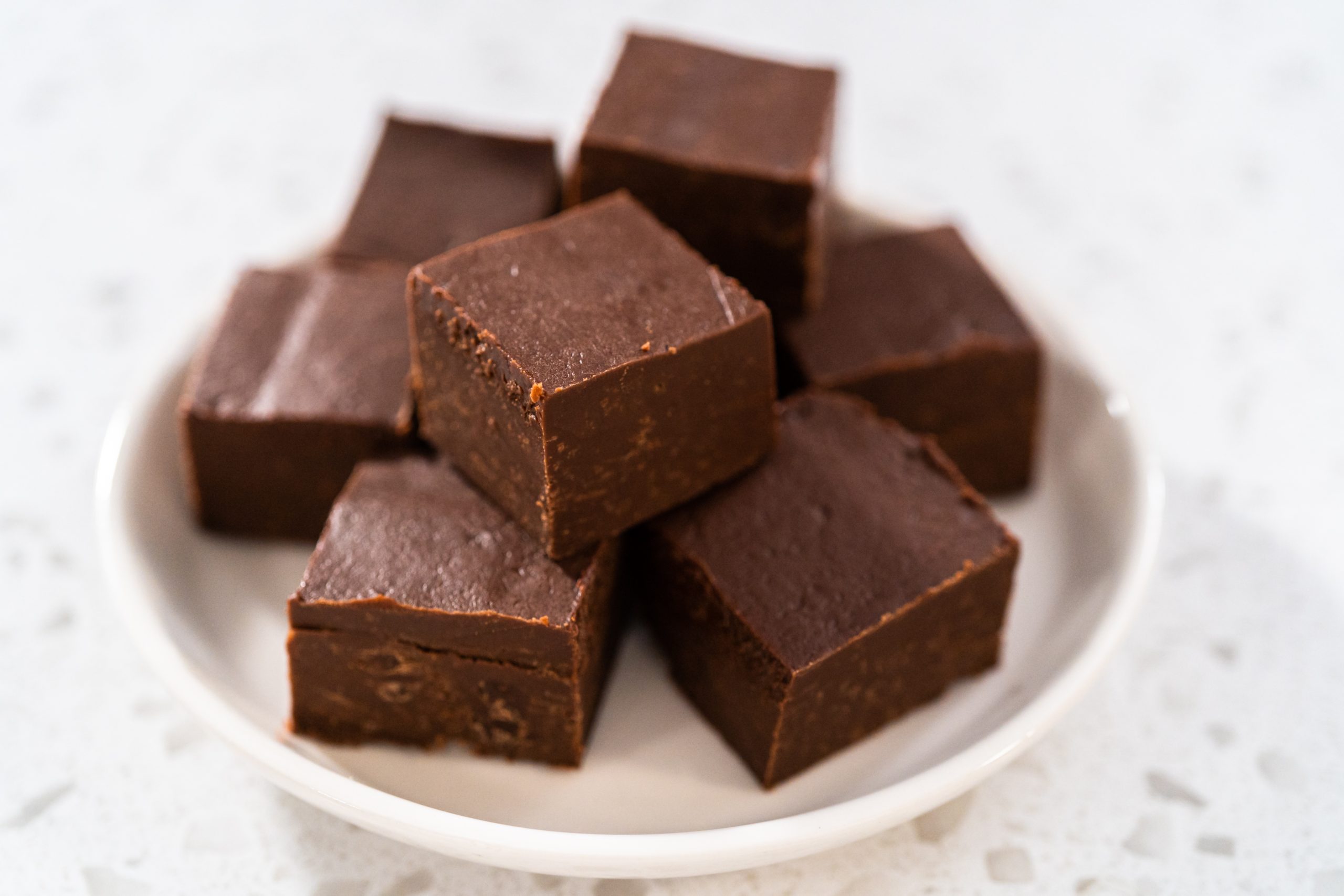
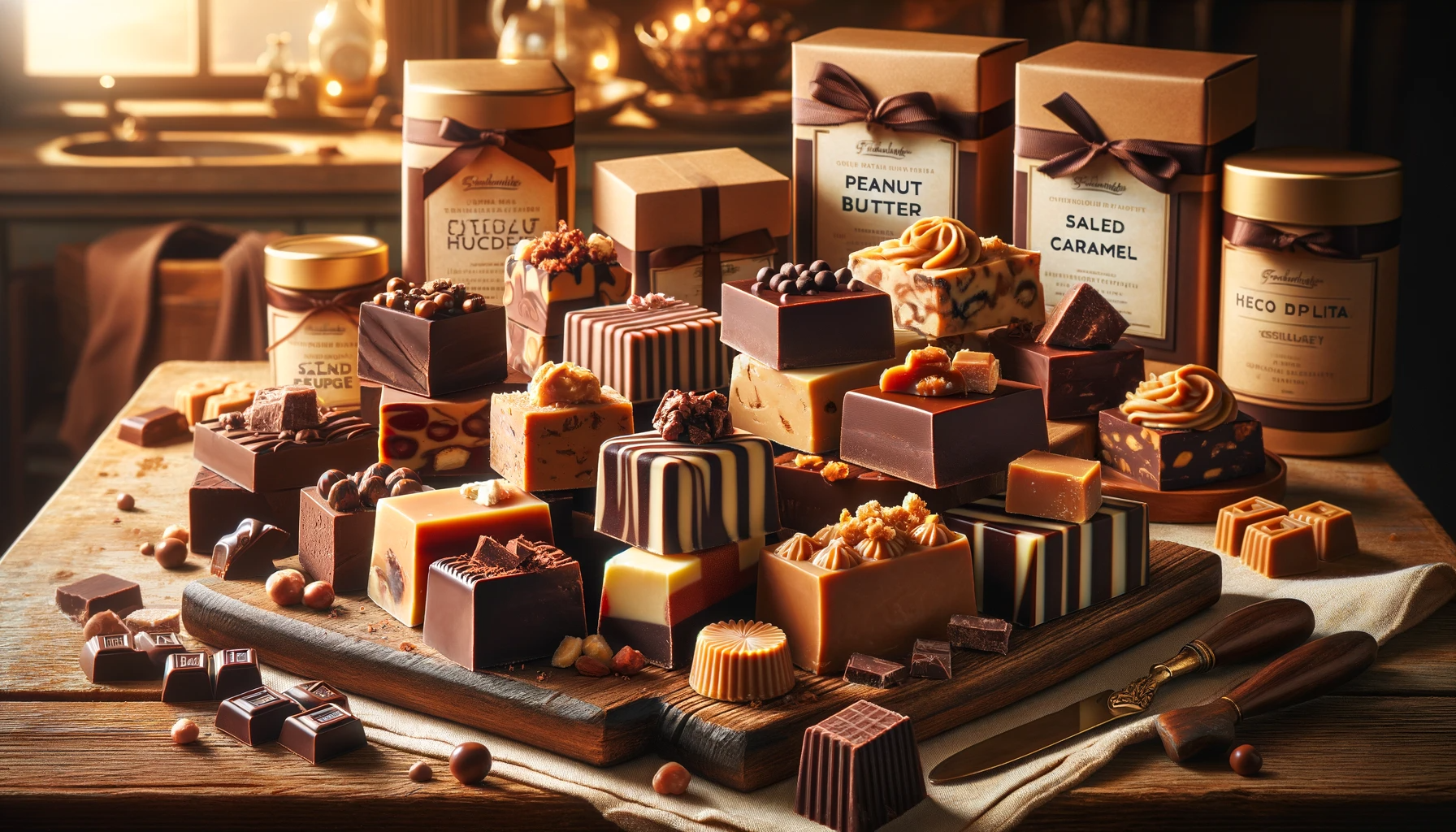
Fudge is one of those sweets that feels timeless—creamy, rich, and instantly nostalgic. But where did fudge come from, and how did it go from a “kitchen mishap” story to a beloved candy found around the world?
Quick answer: Most food historians trace fudge’s rise to late-1800s America, with early evidence pointing to Baltimore-area recipes and major popularity growth tied to women’s colleges (especially Vassar) by the 1880s–1890s.
What Exactly Is Fudge?
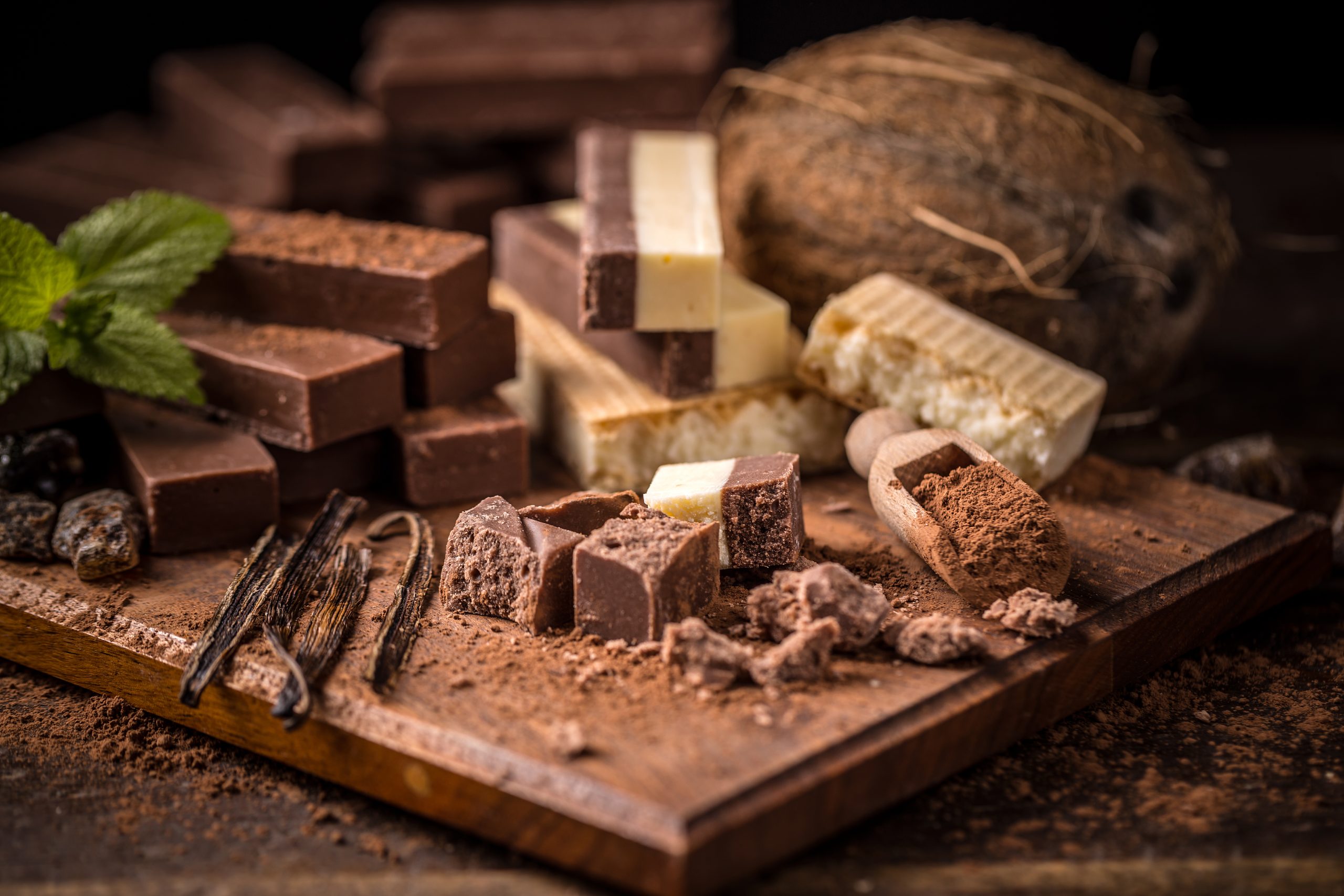
Classic (old-fashioned) fudge is a cooked sugar-and-dairy candy that becomes smooth when tiny sugar crystals form during cooling and beating. It’s often made with sugar, milk/cream, butter, and flavorings like chocolate or vanilla.
Exploring the History of Fudge
To truly appreciate the rich flavors of this beloved treat, it’s essential to explore the fascinating History of Fudge.
That texture—dense but creamy—is what separates fudge from close cousins like caramel (chewier) or toffee (harder).
A Brief Timeline of Fudge (Late 1800s → Today)
- 1860s–1870s: Caramel-style “chocolate caramel” candies in the U.S. look very close to early fudge methods and ingredients.
- 1880s–1890s: “Fudge” appears more widely in American periodicals, recipes, and candy culture as sugar and chocolate become more accessible.
- 1886–1888: A well-known Vassar-related account describes fudge being bought in Baltimore and introduced (or at least popularized) at Vassar College soon after.
- 1900s onward: Regional candy destinations (like Mackinac Island) help turn fudge into a must-try tourist treat.
- Today: Fudge becomes a flavor “canvas”—from classic chocolate to modern spins with nuts, fruit, spices, and more.
Where Did Fudge Originate? The Most Credible Origin Story
Fudge’s origin is famous for being a little mysterious—and that’s part of the fun. The most reliable versions don’t insist on one single inventor; instead, they show how a caramel-like candy evolved into what we now call fudge.
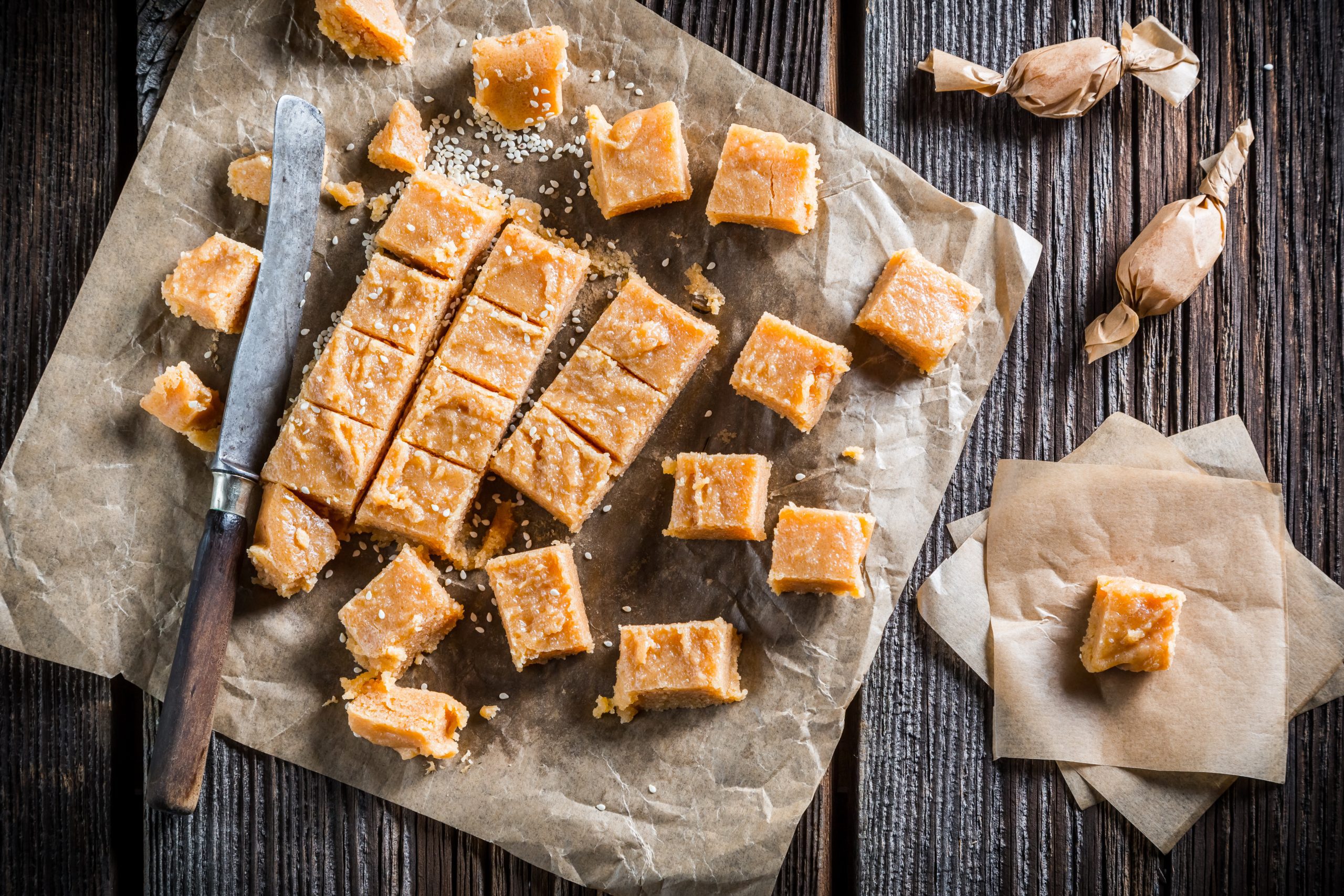
History of Fudge
The “Happy Accident” (Why the Myth Persisted)
You’ll often hear the story that someone “fudged” a caramel batch and accidentally created fudge. That idea fits what we know: small changes in temperature, stirring, and cooling can transform caramel-ish candy into something more crumbly or creamy.
But historians generally treat this as a plausible explanation, not a proven single moment.
The Vassar College Connection (Why It’s So Often Mentioned)
One of the most cited early paper trails involves Vassar College. Accounts associated with Vassar describe fudge being purchased in Baltimore in 1886 and then being made/sold at Vassar by 1888, helping spread the candy’s popularity on campus (and beyond).
What matters for your readers: Vassar didn’t necessarily “invent” fudge—but it played a major role in making fudge fashionable and widely shared during the era.
Why Fudge Took Off in 19th-Century America
Fudge fit the moment perfectly:
- Simple pantry ingredients (sugar + dairy + butter)
- A rising culture of home candy-making
- Greater availability (and affordability) of sugar and chocolate in the late 1800s
- A recipe format that spreads easily—friend-to-friend, dorm-to-dorm, newspaper-to-kitchen
In other words: fudge was “viral” before the internet.
Mackinac Island and the Rise of Fudge as a Souvenir
If you’ve ever heard someone say “Mackinac Island is the fudge capital,” that reputation didn’t happen by accident.
Mackinac Island’s tourism culture helped make fudge a signature souvenir, with candy-making that doubles as street-side entertainment—fresh fudge worked on slabs, the smell drifting down the main drag, and the simple joy of taking a box home.
This is a key SEO win for your post: “history of fudge” readers often also search “why is Mackinac Island famous for fudge?”—so it’s worth covering clearly.
How Traditional Fudge Is Made (and Why Technique Matters)
Fudge seems simple—until you make it.
The “old-school” method depends on controlling sugar crystals:
- Dissolve sugar with milk/cream and butter
- Cook to the soft-ball stage (often cited around 234–240°F / 112–116°C)
- Cool without disturbing
- Beat until it thickens and turns glossy—creating tiny crystals for that smooth bite
That’s why two fudges with the same ingredients can taste totally different: texture is technique.
From Classic Chocolate to Global Flavors
Once fudge became established, it naturally evolved:
- Chocolate remained a staple
- Regional styles leaned into maple, vanilla, coconut, and nuts (common historically)
- Modern fudge makers experiment with everything from fruit swirls to spice-forward versions—while still honoring that creamy base
Fudge’s superpower is adaptability: it stays recognizable even as flavors change.
Conclusion: Fudge’s Story Is Still Being Written
Fudge began as a late-19th-century American candy with debated roots—shaped by home cooks, campus traditions, and changing ingredient availability. From the Vassar era to the rise of places like Mackinac Island, its popularity grew because it’s both simpleand special.
And today, every new batch—classic or creative—is part of that same sweet history.
FAQ
When was fudge invented?
Most evidence points to late-1800s America, with recipes and mentions spreading widely by the 1880s–1890s.
Who invented fudge?
There isn’t one universally proven inventor. A famous early association involves Vassar College, but historians generally describe fudge as an evolution from caramel-like candies rather than a single documented invention.
Where did fudge originate?
Many accounts trace early popularity to the U.S. Northeast, with notable references connected to Baltimore and Vassar College.
Why is Mackinac Island famous for fudge?
Mackinac Island became known for fudge as a signature tourist treat—handmade, displayed, and sold as a beloved souvenir tradition.
What makes fudge creamy instead of gritty?
It’s about tiny sugar crystals formed during cooling and beating—plus cooking to the right temperature range (soft-ball stage).
Check out our Facebook page!