
Latest Blogs






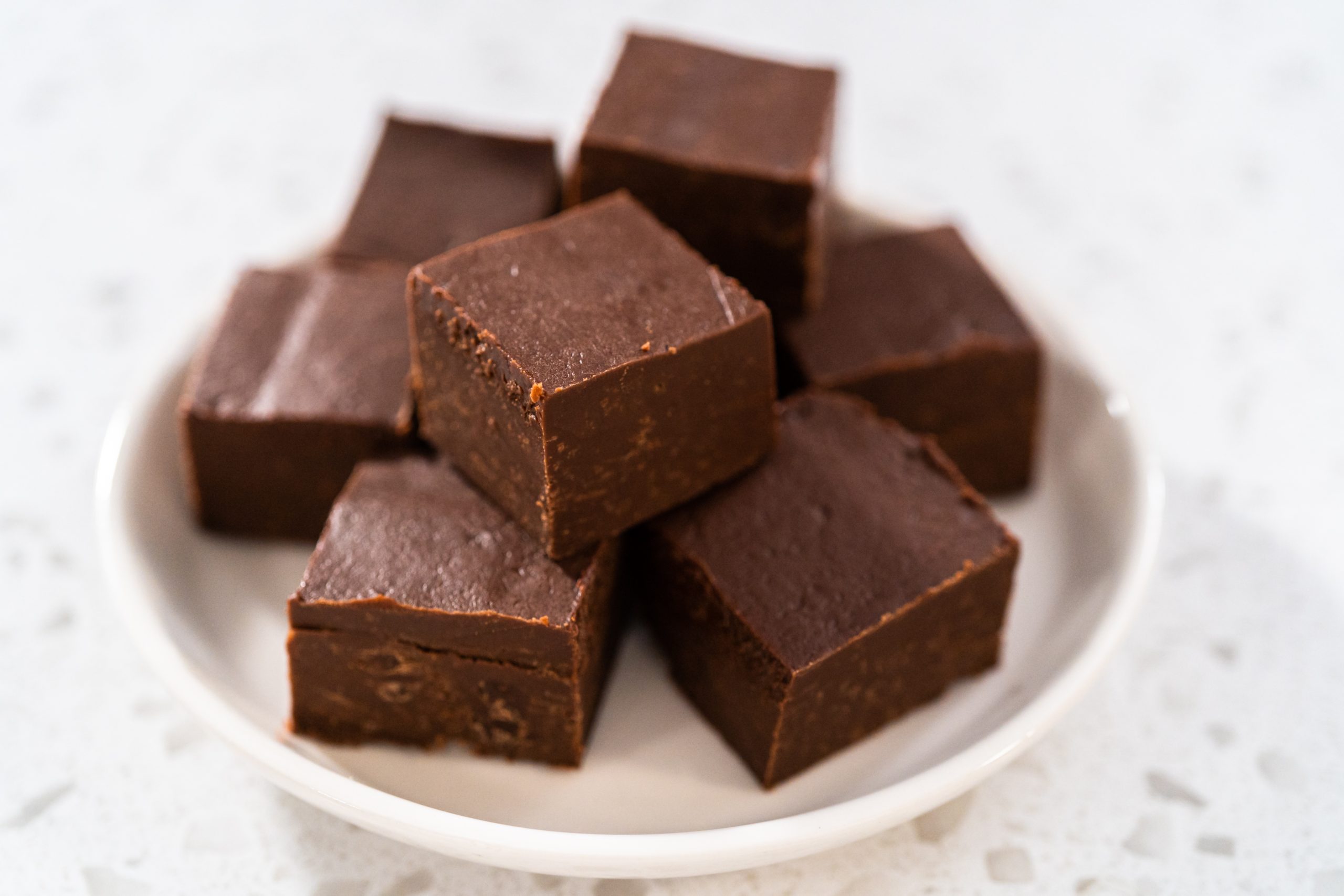
If you’re wondering “how long is fudge good for?” the answer depends on where you store it, how tightly it’s wrapped, and what’s in it (classic chocolate fudge vs. fudge with moist fillings). Most classic fudge tastes best within 7–14 days at room temperature, 2–4 weeks in the fridge, or up to 3 months in the freezer for best quality. Knowing how long is fudge good for can help you enjoy it at its best.
Below is the simple shelf-life chart, followed by storage tips, signs it’s gone bad, and quick FAQs.
Understanding how long is fudge good for is essential for maintaining its flavor and texture.
Quick shelf-life chart (classic fudge)
|
Storage method |
Best within |
Often still okay (if stored well) |
Best for |
|
Room temperature (cool, dry pantry) |
7 days |
10–14 days |
Best texture for most fudge |
|
Refrigerator (airtight + wrapped) |
2 weeks |
2–4 weeks |
Warm/humid homes, perishable mix-ins |
|
Freezer (double-wrapped airtight) |
3 months |
Longer, but quality declines |
Long-term storage |
Important: “Still okay” depends on ingredients and storage. If you see mold, smell rancid/off odors, or notice a slimy/weeping texture, toss it.
Remember, knowing how long is fudge good for can save you from unexpected spoilage.

What makes fudge last longer (and what shortens it)
Fudge is high in sugar and relatively low in free moisture, which helps it keep—but it can still dry out, absorb odors, or spoil if contaminated or stored poorly.
When you understand how long is fudge good for, you can make better storage choices.
1) Ingredients can change the clock
Classic fudge (sugar, butter, dairy, chocolate) generally keeps longer than fudge with higher-moisture additions. Shelf life is usually shorter if it contains:
- Cream cheese swirls / cheesecake-style additions
- Fresh fruit or jammy layers
- Very moist fillings
- Homemade fudge that wasn’t cooked to the right temperature (extra moisture = faster quality loss)
2) Heat and humidity are the biggest enemies
A cool pantry is very different from a warm kitchen. If your house runs hot or humid (or it’s summer), fudge can become sticky, soft, or develop texture changes faster. In that case, refrigeration (wrapped properly) may be the better option.
To enhance your experience, always consider how long is fudge good for before serving.
3) Air exposure dries it out
Most “my fudge went crumbly” problems come from air exposure. The fix is simple: wrap it tight and store it airtight.
Best way to store fudge at room temperature
Room temperature is often the best option for classic fudge because it keeps the texture smooth and sliceable.
Do this:
- Store in a cool, dark cabinet away from sunlight, the stove, or dishwasher steam.
- Wrap the fudge (or keep it in a slab) and place it in an airtight container.
- Use parchment or wax paper between layers to prevent sticking.
- Keep it in larger pieces until you’re ready to serve—cut edges dry out faster than a solid block.
Pro tip: If your fudge is very soft, a slightly cooler storage spot helps it hold shape without needing the fridge.
Should you refrigerate fudge?
Ultimately, knowing how long is fudge good for will help you avoid disappointment.
Refrigeration can extend shelf life, but it comes with a tradeoff: fudge may dry out faster or pick up fridge odors if it isn’t sealed properly.
Refrigerate if:
- Your home is warm/humid
- Your fudge has more perishable mix-ins
- You’re storing it beyond a week and want extra buffer
How to refrigerate without ruining texture:
- Wrap tightly (plastic wrap works well), then place in an airtight container.
- Before eating, let it warm up still wrapped for 30–60 minutes so condensation forms on the wrap—not the fudge.
How to freeze fudge (best for long-term storage)
Taking a moment to learn how long is fudge good for can make all the difference in enjoyment.
Freezing is your best option if you want to keep fudge longer than a couple of weeks. For best taste and texture, aim to eat it within about 3 months.
Following the guidelines on how long is fudge good for ensures you get the best taste.
Freezing steps:
- Portion into serving blocks (so you don’t thaw everything at once).
- Wrap tightly in plastic wrap with no air pockets.
- Add a second barrier: foil or a freezer bag / airtight container.
- Label with flavor + date.
How to thaw without condensation damage:
- Thaw in the fridge overnight, then bring to room temperature still sealed.
- Unwrap only when fully thawed.
(Optional internal links to strengthen SEO and topical authority: “How to Freeze Fudge” and “How to Store Fudge to Keep It Fresh.”)
Ask yourself, how long is fudge good for in your specific case?
Signs fudge has gone bad (when to toss it)
Use your senses and don’t gamble with questionable candy.
Throw it out if you notice:
The best way to enjoy fudge is to know how long is fudge good for and plan accordingly.
-
- Mold (fuzzy spots, blue/green patches, anything spreading)
- Off smells (sour, rancid, “not chocolatey,” or generally unpleasant)
- Slimy or wet/weeping surface that looks abnormal
The key to maximizing your fudge enjoyment is knowing how long is fudge good for.
- Strange taste (if it smells off, don’t keep tasting)
What can be normal (not always “bad”):
-
- Slight dryness on the edges (usually just air exposure)
When you understand how long is fudge good for, you can make better dessert choices.
- A faint light film that looks like sugar crystallization (texture issue, not necessarily spoilage)
If you’re unsure whether it’s sugar bloom or mold, the safest move is to discard it.
How to make fudge last longer (simple checklist)
Finally, understanding how long is fudge good for will enhance your overall dessert experience.
- Store airtight (this matters more than location)
- Keep away from heat and humidity
- Store in bigger pieces; cut as needed
- If freezing, double wrap and thaw sealed
- Keep strong odors away (onion/garlic smell can transfer in the fridge)
FAQ
For the best results, remember how long is fudge good for before making large batches.
Does fudge need to be refrigerated?
Not usually. Classic fudge often does best at room temperature in a cool, dry spot. Refrigerate only if your kitchen is warm/humid or the fudge contains more perishable additions.
Can fudge sit out overnight?
Ultimately, be mindful of how long is fudge good for and enjoy it at its peak.
Yes—if it’s classic fudge and stored covered/airtight in a cool room. If it was left uncovered in a warm kitchen, expect drying or texture changes.
How long does homemade fudge last compared to store-bought?
Homemade fudge can be similar, but it varies more. If it has extra moisture or wasn’t cooked properly, it may soften faster and keep for less time at room temperature.
Why is my fudge crumbly or dry?
It usually means air exposure. Wrap tighter and store airtight. If it’s only slightly dry, letting it rest wrapped at room temperature can improve the bite.
Hence, always think about how long is fudge good for to ensure it remains delightful.