
Latest Blogs




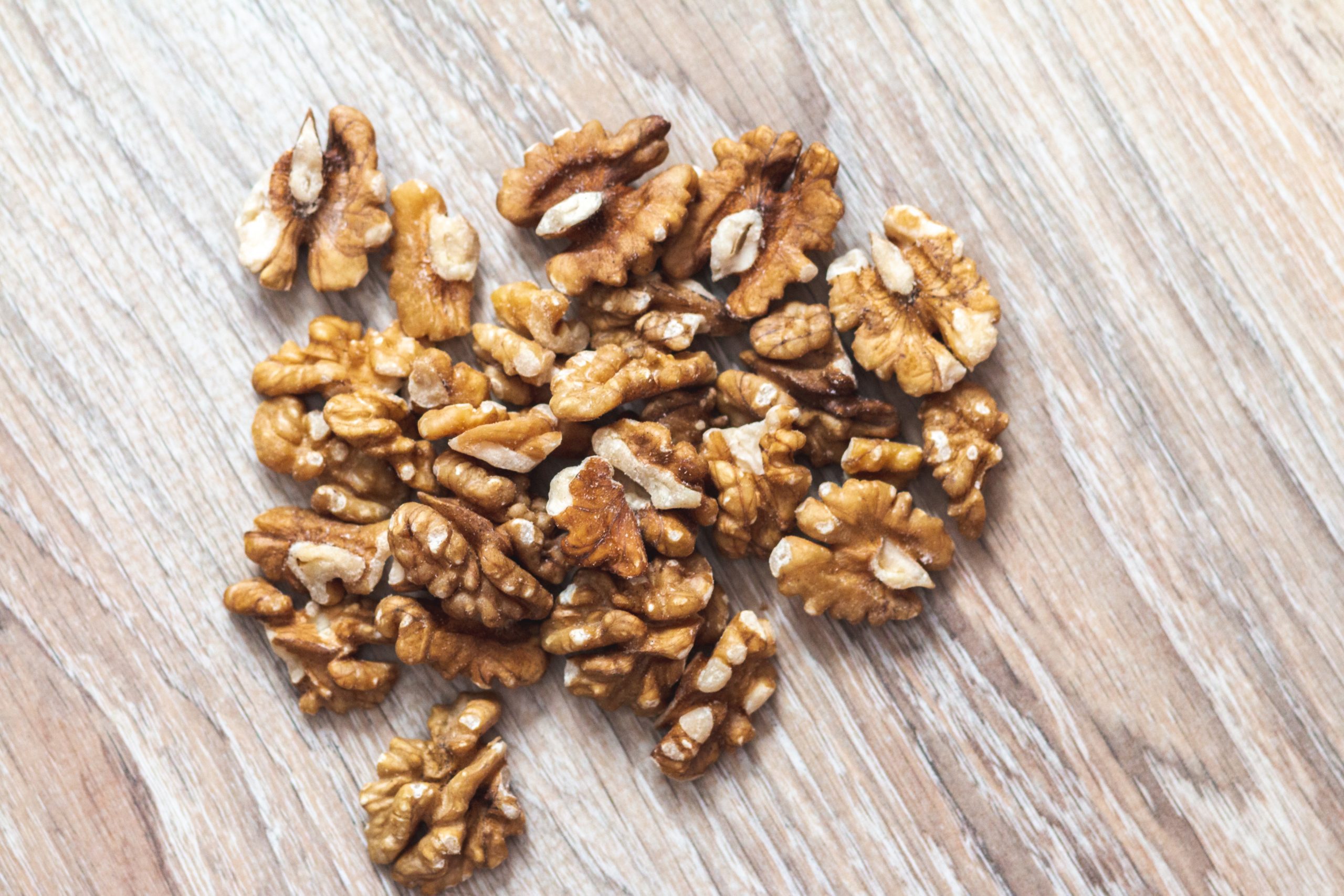
Fresh nuts are more than a crunchy topping or convenient snack. They provide unsaturated fats, plant protein, fiber, vitamins, minerals and naturally occurring plant compounds in a relatively small serving.
The health benefits of fresh nuts vary by type, but walnuts and pecans are particularly useful when you want satisfying flavor, texture and nutrition in one versatile ingredient. Nuts are recognized as sources of healthy fats, protein, fiber, vitamins, minerals and antioxidants.
At Arndt’s Fudgery, Black Walnuts, English Walnuts and Pecan Pieces can be enjoyed on their own or added to oatmeal, yogurt, salads, baked goods and desserts. Here is what makes these specialty nuts worth keeping in your kitchen – and how to store them so their flavor stays fresh.
Are Fresh Nuts Good for You?
Yes. Fresh nuts can be part of a balanced eating pattern because they supply mostly unsaturated fats along with protein, fiber and important micronutrients.
The American Heart Association includes nuts among heart-conscious food choices and describes a typical serving as a small handful, or approximately one ounce. For an everyday snack, unsalted or lightly salted nuts without heavy sugar coatings are generally the most practical choice.
Nuts are calorie-dense, so the goal is not necessarily to eat large quantities. A modest portion can be used to replace a less nutritious snack or add flavor and texture to a meal.
Why Are Nuts Considered Nutrient-Dense?
Nutrient-dense foods provide useful nutrients without requiring an oversized portion. Although nuts contain significant calories and fat, most of their fat is unsaturated.
Depending on the variety, nuts may provide:
- Monounsaturated and polyunsaturated fats
- Plant-based protein
- Dietary fiber
- Vitamin E and B vitamins
- Magnesium, copper, manganese and zinc
- Naturally occurring antioxidant compounds
The nutrient profile differs from one nut to another. Instead of searching for one perfect or âhealthiestâ nut, choose several varieties you enjoy and rotate them through your meals.
Five Potential Health Benefits of Fresh Nuts
1. They Provide Heart-Friendly Unsaturated Fats
Most nuts contain primarily monounsaturated or polyunsaturated fats. Replacing foods that are high in saturated fat with foods containing unsaturated fat can contribute to a heart-conscious dietary pattern.
Walnuts are especially notable because they contain alpha-linolenic acid, commonly called ALA. ALA is a plant-based omega-3 fatty acid.
Nuts should not be presented as a treatment or cure for heart disease. Their potential value comes from the overall eating pattern, particularly when they replace foods that provide fewer beneficial nutrients.
2. Protein and Fiber Can Make Snacks More Satisfying
Nuts combine fat, protein and fiber in one compact food. A small portion can therefore feel more substantial than refined crackers, candy or chips alone.
Try pairing fresh nuts with:
- An apple, pear or banana
- Plain or lightly sweetened yogurt
- Whole-grain cereal
- Oatmeal
- Unsweetened dried fruit
Because nuts are energy-dense, portion awareness is helpful. Place a small handful in a bowl rather than eating directly from a large package.
3. Nuts Supply Antioxidants and Important Minerals
Walnuts, pecans and other nuts provide minerals and naturally occurring plant compounds with antioxidant activity. Antioxidants help the body manage oxidative stress, but that does not mean one food can prevent every illness.
A varied eating pattern containing fruits, vegetables, whole grains, legumes, nuts and seeds provides a wider range of nutrients than relying on any single so-called superfood. USDA FoodData Central maintains detailed nutritional information for minimally processed foods, including raw pecans and other nuts.
4. They Are an Easy Plant-Based Ingredient
Fresh nuts require very little preparation. They can be sprinkled over a salad, folded into muffin batter, added to oatmeal or included in a homemade snack mix.
Their convenience makes it easier to add more plant-based foods to everyday meals without completely changing a recipe.
5. Their Flavor Makes Nutritious Foods More Enjoyable
Nutrition matters, but enjoyment matters too. The earthy flavor of Black Walnuts, the mild richness of English Walnuts and the buttery crunch of pecans can improve otherwise simple foods.
A meal or snack that is genuinely enjoyable is often easier to include regularly than one that feels restrictive.
Black Walnuts vs. English Walnuts vs. Pecans
Each of these nuts offers a different flavor, texture and culinary experience.
Black Walnuts
Black Walnuts have an intense, earthy flavor that is noticeably stronger than the taste of common English Walnuts. They provide plant protein, unsaturated fats and minerals.
Specific research on Black Walnuts is less extensive than research covering walnuts and tree nuts generally. For this reason, their benefits should be described cautiously rather than presented as proven treatments for particular diseases.
Their bold flavor works particularly well in:
- Banana bread
- Brownies and chocolate desserts
- Wild rice dishes
- Oatmeal
- Salads with apples or pears
- Maple-flavored baked goods
Because their taste is so pronounced, a relatively small amount can make a noticeable difference in a recipe.
English Walnuts
English Walnuts, which are also called Persian walnuts, have a milder flavor and softer texture. They are one of the best-known nut sources of plant-based ALA omega-3 fat.
Their neutral, slightly sweet flavor works in both sweet and savory recipes. Try them in:
- Granola
- Quick breads
- Brownies
- Yogurt bowls
- Pesto
- Roasted vegetables
- Green salads
Pecan Pieces
Pecans have a naturally rich and buttery taste. They contain predominantly unsaturated fats and also provide fiber, protein and minerals.
Pecan Pieces are particularly convenient because they can be measured and added directly to recipes without additional chopping.
Use Pecan Pieces in:
- Oatmeal and overnight oats
- Salads
- Trail mix
- Cookies
- Pie toppings
- Roasted vegetables
- Sweet potato dishes
Are Raw Nuts Healthier Than Roasted Nuts?
Both raw and dry-roasted nuts can fit into a balanced diet. The more meaningful differences often come from the amount of added salt, sugar or oil.
For an everyday snack:
Choose raw or dry-roasted nuts.
Review the sodium level on seasoned products.
Treat heavily sweetened or candy-coated nuts as desserts.
Select the preparation you genuinely enjoy.
Watch the portion rather than avoiding nuts because they contain fat.
Freshness describes the nutâs quality, flavor and storage condition. It does not mean a fresh nut has a completely different nutritional profile from a properly packaged and stored nut.
How Many Nuts Should You Eat?
A practical serving is approximately one ounce, or a small handful. The exact number of nuts varies according to their type and size.
There is usually no need to count every individual nut. Portioning a small handful into a bowl is a simple way to avoid unintentionally eating several servings. The American Heart Association similarly describes one ounce as an appropriate general serving.
Individual needs can differ according to total calorie requirements, health conditions and the rest of the diet.
Anyone with a tree-nut allergy must avoid the relevant nuts. Tree-nut allergies can cause serious reactions, so food labels and cross-contamination notices should always be reviewed carefully.
How to Store Fresh Nuts
The natural oils that create the rich taste of walnuts and pecans can gradually oxidize. Exposure to heat, air, moisture and light can cause nuts to develop stale or rancid flavors.
Follow these storage practices:
Place nuts in an airtight, moisture-free container.
Keep small quantities in a cool, dark pantry for short-term use.
Refrigerate nuts that will not be eaten soon.
Freeze larger quantities for longer storage.
Keep nuts away from strong-smelling foods because they can absorb odors.
Label containers with the purchase or opening date.
Follow any storage directions and dates printed on the original package.
University of California guidance reports that many nuts can maintain their quality for up to a year under refrigeration. Properly packaged walnuts and pecans may retain their quality for two years or longer in the freezer.
Discard nuts that have developed a sharply bitter, paint-like, sour or noticeably stale smell.
Easy Ways to Add Fresh Nuts to Your Day
Breakfast
Add English Walnuts to oatmeal, yogurt, pancakes or whole-grain cereal. Pecan Pieces can also be mixed into granola or overnight oats.
Lunch
Sprinkle Black Walnuts over a green salad, or add pecans to chicken salad, quinoa or another grain bowl.
Snacks
Pair a small handful of nuts with fresh fruit. You can also make a simple snack mix using nuts, unsweetened dried fruit and whole-grain cereal.
Dinner
Use chopped walnuts as a coating for fish or chicken. Add pecans to roasted squash, green beans, Brussels sprouts or sweet potatoes.
Dessert
Fold Black Walnuts into brownies or banana bread. Sprinkle Pecan Pieces over ice cream, or enjoy a walnut or pecan fudge flavor when you are looking for a rich treat.
Nut-based fudge should still be considered a dessert. The presence of nuts does not transform a sweet product into an everyday health food.
How to Choose Quality Nuts
Quality nuts should have a clean, pleasant aroma and a crisp texture. Avoid packages with visible moisture and nuts that taste unusually bitter, sour or stale.
Buying the format you will actually use can also prevent waste:
Whole nuts work well for snacking.
Nut pieces are convenient for baking and toppings.
Larger quantities should be refrigerated or frozen.
Smaller packages may be preferable when nuts are used infrequently.
When buying a larger package, store most of it in the refrigerator or freezer and keep only a small quantity in the pantry.
Frequently Asked Questions
Are nuts really a superfood?
âSuperfoodâ is a marketing term rather than an official nutrition category. Nuts are more accurately described as nutrient-dense foods that provide healthy fats, protein, fiber, vitamins and minerals.
Which is healthier: walnuts or pecans?
Neither is universally healthier. Walnuts stand out for their plant-based ALA omega-3 content. Pecans are known for their monounsaturated fats and naturally buttery flavor. Including both provides variety.
Can you eat nuts every day?
Many people can include a modest serving of nuts regularly as part of a balanced diet. Unsalted or lightly salted varieties are generally the best everyday choices.
Should fresh nuts be refrigerated?
Refrigeration is recommended when nuts will not be eaten quickly, especially after the package has been opened. Cold storage slows the development of rancid flavors and helps preserve quality.
What are the best nuts for snacking?
The best option is one you enjoy in a reasonable portion. Walnuts and pecans are excellent choices, particularly when they are raw, dry-roasted, unsalted or lightly salted.
Are nuts good for weight management?
Nuts contain significant calories, but their combination of fat, protein and fiber may make them more satisfying than many highly processed snacks. Portion size and the overall eating pattern remain important.
Enjoy the Flavor and Health Benefits of Fresh Nuts
The health benefits of fresh nuts come from their combination of unsaturated fats, plant protein, fiber, minerals and satisfying flavor.
Black Walnuts, English Walnuts and Pecan Pieces each offer a distinct taste and texture, making it easy to add variety to snacks, meals and bakine.
Explore Arndt’s Fudgery’s selection of specialty nuts and discover a flavorful ingredient for your next snack or recipe.
Medical note: This article provides general food and nutrition information. It is not a substitute for personalized advice from a physician or registered dietitian. People with food allergies or specific dietary conditions should consult a qualified healthcare professional.