Latest Blogs


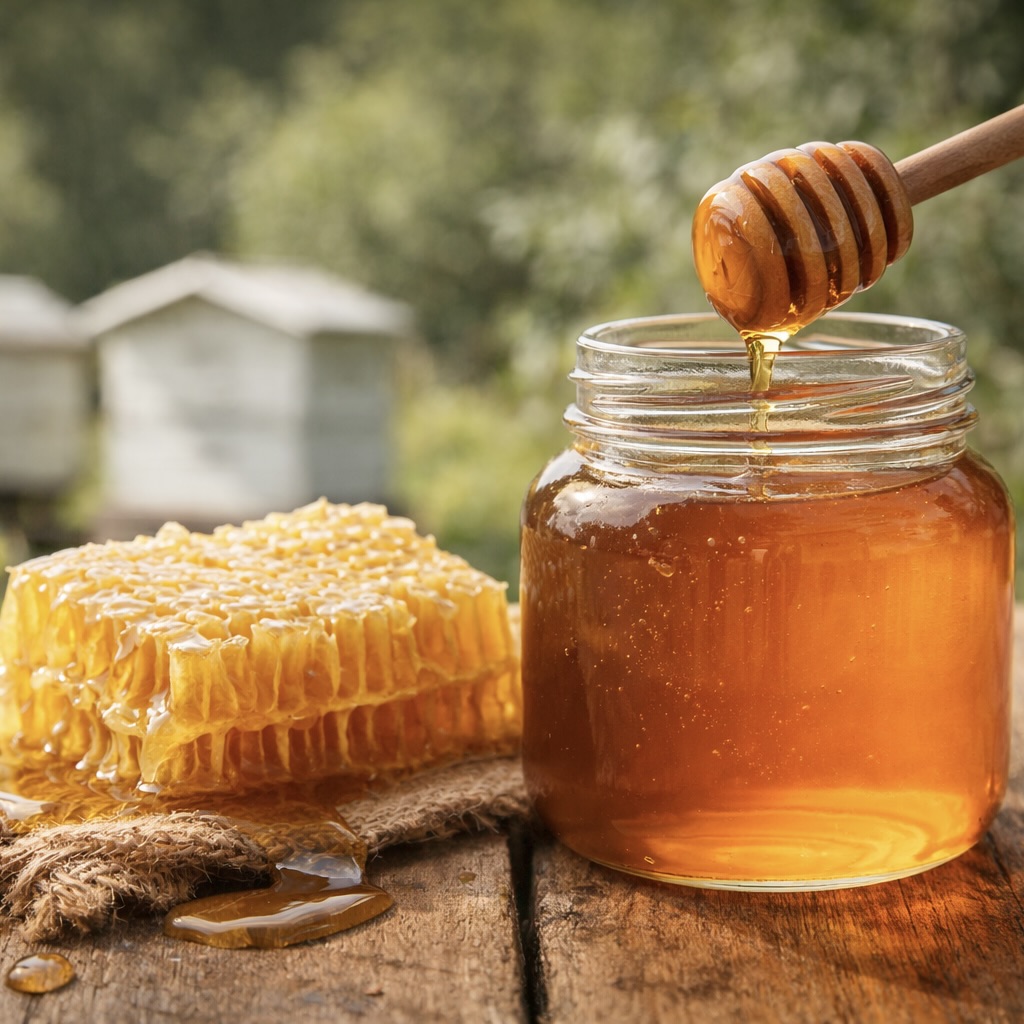
Amish honey has a reputation for being simple, pure, and old fashioned. But what does that really mean, and how do you know you are buying a jar worth your money? This guide breaks down what Amish honey is, what to look for, and how to choose the right one for your kitchen. Understanding the nuances of Amish honey can enhance your culinary experiences, and knowing its origins and characteristics will empower you to make informed choices.
What People Mean When They Say “Amish Honey”
Honey sourced through Amish communities is packaged with a focus on traditional methods. In practice, the biggest difference is usually the approach: small-scale beekeeping, straightforward ingredients, and less emphasis on industrial shortcuts. This traditional method not only honors the craft of beekeeping but also often results in honey that is rich in flavor and beneficial properties, making it a unique addition to your pantry.
That said, every producer is different. The best way to judge quality is not the label alone. It is the sourcing, handling, and how transparent the seller is.
Why Quality Varies So Much With Honey
Honey is one of the most commonly misrepresented foods. Some honey is heavily filtered. Some is heated more than needed. Some is blended from many places.
Understanding how honey is processed sheds light on its quality. For instance, honey that is lightly filtered retains more of its natural enzymes and antioxidants, which are beneficial for health. Additionally, when honey is heated minimally, it preserves the flavor and nutritional benefits, making it not only tastier but also healthier. This process also contributes to the distinct profiles of different types of honey, enhancing their unique characteristics.
Those steps do not always make honey “bad,” but they can change what you are buying. If you want honey that tastes more like the flowers it came from, look for less processing and clear sourcing.
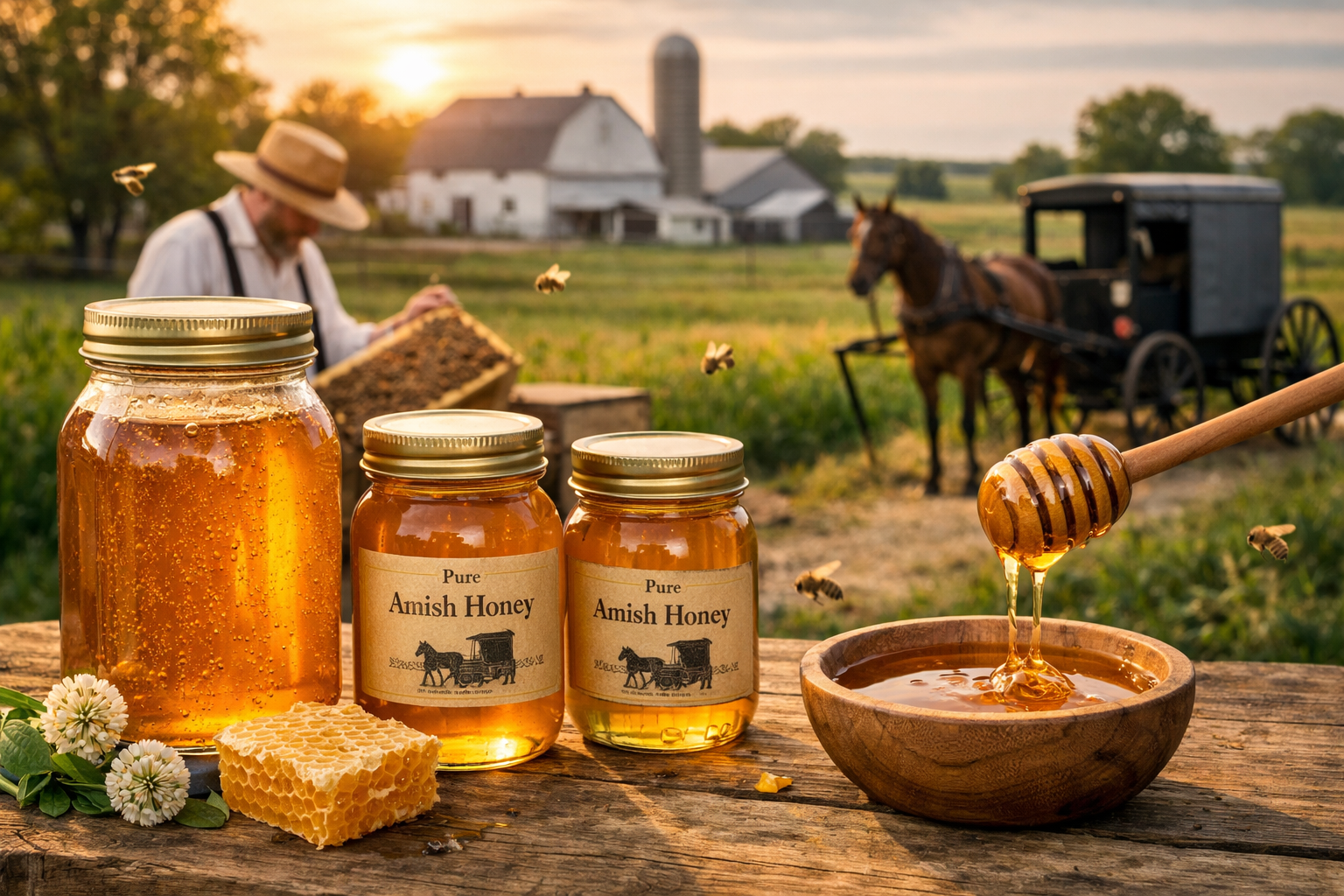
Signs of High Quality Amish Honey
Discover the Unique Qualities of Amish Honey
Clear sourcing
Understanding the Importance of Quality Ingredients
Look for a seller that tells you where the honey comes from and how it is packaged. If the description is vague, it is harder to know what you are getting.
Minimal processing
Many people prefer honey that is not overly filtered or heavily heated, because it can keep a fuller aroma and a more complex taste.
Natural texture and color
Honey can be light or dark. It can be thin or thick. It can crystallize over time. Those changes are normal and often a sign that the honey has not been overly processed.
The texture and color of honey can reveal a lot about its quality. Light-colored honey is typically milder in flavor and often sourced from blossoms like clover or wildflowers, while darker honey may have more robust flavors from sources such as buckwheat or chestnut. Over time, honey can crystallize, a natural process that indicates minimal processing and high quality, signifying the presence of natural sugars.
Flavor Profile: What Amish Honey Tastes Like
The flavor profile of Amish honey is not just about sweetness; it’s a complex interplay of floral notes, earthiness, and even hints of spice or fruit depending on the nectar sources available. This distinction makes Amish honey a versatile ingredient in both sweet and savory dishes. For instance, pairing a robust, dark honey with sharp cheeses creates a delightful contrast, while lighter varieties can enhance the sweetness of a delicate dessert.
Amish honey often tastes richer than the basic “sweet” honey many people grew up with. The flavor depends on the flowers the bees visited, so the same honey can taste different from season to season.
If you like a mild taste, choose lighter honey. If you like bold flavor, try darker honey.
Sustainability and Its Importance in Beekeeping
Traditional beekeeping usually means a slower pace and more respect for the natural cycle of the bees. If sustainability matters to you, buy from sellers who talk about their practices, not just the word “Amish.”
Sustainable beekeeping practices not only benefit the bees but help support the overall ecosystem. Beekeepers who prioritize sustainability often engage in practices such as planting diverse flower species to ensure a varied diet for their bees, which can lead to healthier colonies and better quality honey. Furthermore, these practices can contribute to the preservation of local flora and fauna, promoting biodiversity in the environment.
Evaluating the Value of Amish Honey
If you want a more flavorful honey and you care about how it is produced, Amish honey is worth trying. The best plan is simple: buy one jar, taste it side by side with what you already use, and see if it earns a permanent spot in your pantry.
The value of Amish honey extends beyond its flavor; it embodies a commitment to quality, sustainability, and community. By supporting Amish beekeepers, you are also supporting traditional ways of life and the values that come with them, including the importance of family and sustainable farming practices. This connection to the source often translates to a richer, more authentic product that enhances your culinary creations.
Creative Ways to Incorporate Amish Honey into Your Diet
Try it in tea, drizzle it on toast, stir it into yogurt, or use it in baking. It also works well in simple sauces and glazes.
Beyond the obvious uses in beverages and baking, consider drizzling Amish honey over grilled vegetables for a touch of sweetness, or mixing it into salad dressings to balance acidity. It can also be a delightful addition to marinades, enhancing the flavors of meats and fish. Explore the world of honey-infused desserts, such as honey-glazed carrots or honey ice cream, to truly appreciate its versatility.
FAQ
Additional FAQs About Amish Honey
Is Amish honey raw?
Sometimes. Not always. “Amish” describes the source community more than the processing style. If you want raw honey, look for “raw” on the label and a clear product description.
Why does honey crystallize?
Crystallization is normal. It happens over time, especially in cooler rooms. You can gently warm the jar to loosen it.
How should I store Amish honey?
What size should I buy?
Store Amish honey in a cool, dark place to maintain its quality. Avoid refrigeration, as cold temperatures can speed up crystallization. Instead, keep it in a pantry or cupboard, tightly sealed to prevent moisture from affecting it.
If you are trying it for the first time, start with a smaller size. If you use honey often, a larger jar is usually the better value.